
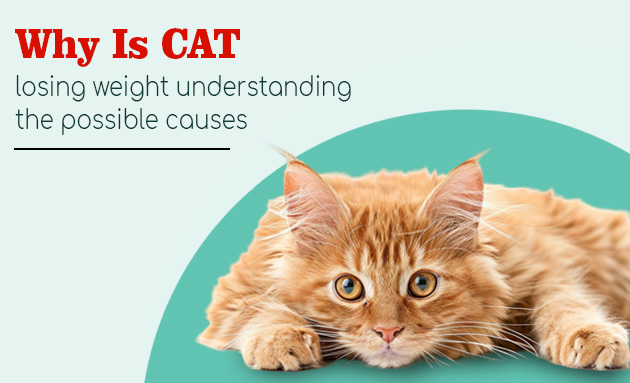
You pick your cat up, and something feels different. The ribs seem a little easier to feel than they used to be. A cat losing weight can be an easy change to miss, partly because cats are experts at hiding discomfort and partly because a slow decline over weeks or months is much harder to notice than a sudden change. In this blog, we will cover the possible reasons cats lose weight, and signs to take things seriously and call your veterinarian even though your cat seems fine.
Keep reading.
Why Weight Loss Can Happen Even When a Cat Is Eating Normally
One of the more confusing patterns cat parents encounter is watching their cat eat completely normally while still losing weight. That’s a clue, and a useful one. This can happen because a cat is using more energy than usual or having difficulty absorbing nutrients. In each of these situations, a cat can be eating normally and still steadily losing weight, so “but she’s eating fine” doesn’t rule out a possible health cause.
Causes of Weight Loss
Loss of Appetite
Sometimes it really is that simple: your cat is eating less. Dental disease is a common, often missed cause. A cat with sore teeth or infected gums will often just quietly eat less rather than show obvious pain.
But appetite loss, known clinically as anorexia, can stem from a long list of causes. Sustained loss of appetite is a clinical sign of numerous feline health problems, ranging from diabetes and kidney disease to hyperthyroidism, pancreatitis, and even certain feline infections.
Appetite loss is not always medical, though. Stress, anxiety, other environmental changes, or a food your cat just simply does not like can all be the possible reason. Whatever its cause, a sustained loss of appetite can have a severe impact on a mature cat’s health if it persists for as little as 24 hours. For a kitten under six weeks, food avoidance for just 12 hours can be dangerous.
Hormonal Causes
Two of the common medical causes for feline weight loss involve hormonal disorders. Hyperthyroidism and diabetes mellitus both tend to follow a somewhat counterintuitive pattern, as in these cases your cat eats more than usual and still loses weight.
Hyperthyroidism is one of the most frequently diagnosed conditions in older cats. Too much thyroid hormone speeds everything up, so alongside the weight loss you may see a huge appetite, more drinking and peeing, and a coat that looks unkempt, matted or greasy.
Diabetes has a similar pattern for a different reason: the body’s ability to produce insulin gets affected, so glucose regulation gets affected. You’ll notice the similar combination of symptoms like hyperthyroidism, such as weight loss, a good appetite, and more thirst and urination.
Kidney Disease
Chronic kidney disease is another condition strongly associated with weight loss, particularly in older cats. As the kidney function declines, cats may begin urinating greater volumes and drink more water to compensate. The loss of important proteins and vitamins in their urine may contribute to metabolic changes and reduced appetite. As chronic kidney disease, hyperthyroidism, and diabetes may all show overlapping symptoms, distinguishing between them typically requires proper veterinary diagnosis with blood tests and urinalysis.
Gastrointestinal Disorders
Vomiting and weight loss in cats can occur with digestive tract problems, including inflammatory bowel disease (IBD) or intestinal parasites, which may interfere with nutrient absorption.
Cancer:
Weight loss can be a symptom of certain cancers, such as Gastrointestinal Lymphoma or Fibrosarcoma. Cats of any age can develop cancer. Many factors have been linked to cancer in cats, including toxins found in cigarette smoke and asbestos, UV light, feline leukemia virus (FeLV), feline immunodeficiency virus (FIV), and more. Cancer is on the list, but it’s far from the most likely answer, so try not to panic.
What to Track Before a Vet Visit
First, try to confirm whether your cat is actually losing weight.
It’s worth noting whether your cat’s appetite has increased, decreased, or stayed the same. Keep track of changes in thirst or urination, vomiting, diarrhoea, stool consistency, or litter box habits. And note roughly how long the weight loss has been happening, if you can estimate it.
If you have access to a scale, tracking your cat’s actual weight over a few weeks is more reliable than judging by appearance alone, especially in longer-haired cats where weight loss can be harder to see.
Because so many different conditions share overlapping symptoms, the details you bring to a veterinary visit can genuinely help narrow down the possible causes.
When to See a Veterinarian
Unexplained weight loss in a cat is generally worth a veterinary visit rather than a wait-and-see approach, particularly if the weight loss is continuous over time. This is especially true for older cats, since several of the more common causes become significantly more likely with age.
Your veterinarian will perform a physical examination and recommend appropriate diagnostic tests to help determine the underlying cause.
Final Thoughts
Weight loss in cats can come from something as simple as dental discomfort or from an underlying hormonal, kidney or gastrointestinal condition. The pattern of accompanying symptoms, such as changes in appetite, thirst, and energy level, can provide important clues in figuring out which possible cause it might be. Unexplained weight loss is a signal worth following up on, since an actual diagnosis through your veterinarian is the best way to know what’s really going on and provide your furry companion with timely treatment where required.