
Like humans, cats experience physical and behavioural changes as they grow older. As cats age, their nutritional needs may change, depending on their health, activity level, and body condition. A diet suited to an older cat’s individual needs can help improve their quality of life and ensure their well-being in their senior years.
According to experts, most cats are considered senior when they reach around 10 years of age. So, if your feline baby has hit double digits, you may consider reviewing their diet to make sure they’re receiving adequate nutrition. In this blog, we will take you through the nutritional requirements of senior cats for your ready reference.
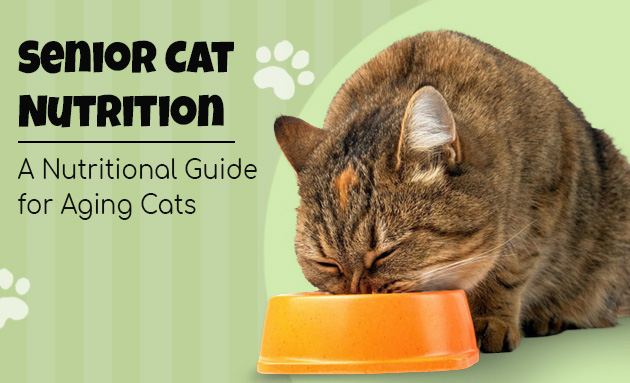
Let’s get started!
What Nutrients Do Ageing Cats Need?
A senior cat may benefit from the following nutrients.
- Lean Protein
Some cats lose muscle mass as they age, making it important to monitor their body weight and muscle condition. Feeding them a complete and balanced diet enriched with high-quality lean protein can help support muscle maintenance in healthy senior cats. It also helps in boosting their life expectancy by supporting longevity. Food items like chicken, turkey, and fish are great in providing cats with lean protein to maintain their body weight.
- Fibre
Fibre is beneficial for senior cats in multiple ways. It may help manage constipation in cats by improving bowel regularity. Fibres may also support digestive health in senior cats by providing them with beneficial gut bacteria. The nutrients may also help reduce hairballs by assisting in the movement of swallowed hair through the digestive tract. Fibre-rich food items that may be beneficial for ageing cats include pumpkin, beet pulp, green beans, carrots, and broccoli. If you want to add foods such as plain pumpkin or vegetables, check with your veterinarian about the appropriate type and amount.
- Omega-3 Fatty Acids
Some older cats develop mobility problems associated with osteoarthritis or other conditions, although changes in movement can have several causes. However, omega-3 fatty acids may help regulate inflammation and assist with their daily activities. The nutrient also supports cats’ skin barrier and may help maintain a healthy skin and coat. You can include omega-3 fatty acids to your cat’s diet by serving them oily fish like salmon, sardines, and mackerel, flaxseed or chia seeds.
- Low Phosphorus
Some senior cats, particularly those diagnosed with chronic kidney disease, may benefit from a veterinary therapeutic diet with controlled phosphorus levels. However, a low-phosphorus diet is not necessary for every senior cat. In cats with chronic kidney disease, abnormal phosphorus regulation can contribute to mineral and bone disturbances.
- Carnitine
A compound derived from amino acids, L-carnitine may benefit senior cats by supporting their lean muscle mass. The nutrient may also support the heart function of senior cats. To provide your cat a carnitine-rich diet, you should serve them a meat-based diet featuring red meat, poultry, and fish.
What are the Signs that my Senior Cat isn’t getting Enough Nutrition?
The following signs may indicate that your senior cat is not receiving the nutrition that its body requires.
- Diarrhea
- Constipation
- Vomiting
- Dull coat
- Recurring infections
- Low energy
- Changes in appetite
- Unexplained changes in weight
- Aggression
What are the Best Cat Foods for Senior Cats?
When it comes to senior cats, there is no one-size-fits-all option. Senior cats can eat either dry or wet food, provided it is complete and balanced for their needs. Wet food features fewer calories and can also be beneficial for cats with kidney disease. It is also highly palatable and entices even the pickiest of eaters. Dry food, on the other hand, is known to be a comparatively budget-friendly option and can be easier to feed cats.
Here are some of the most popular cat foods in both dry and wet categories.
Wet Cat Foods
Dry Cat Foods
Final Words
Meeting the nutritional requirements of senior cats is one of the most important steps to support their good health during their golden years. Always remember that every ageing feline has unique health profiles. Therefore, the most effective approach would be to seek your veterinarian’s advice to curate a diet for your pal that best suits their age and health condition.
At DiscountPetCare, we carry an impressive range of pet foods designed for senior cats at the best prices. Check out our online store to purchase your preferred products and explore a whole lot of pet essentials from the comfort of your home.