
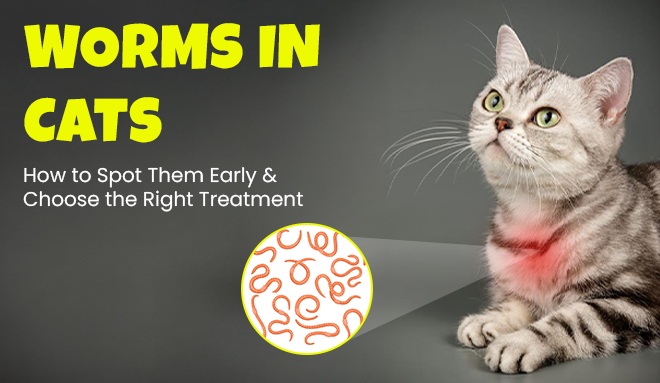
All cat parents get worried about worms at some point, especially if your cat goes outdoors, hunts, or even just lounges on the balcony. Worms are one of those uncomfortable topics many pet parents wish they could avoid, but the reality is that worms in cats are surprisingly common, even in well-cared-for homes.
The good news? Once you know the types of worms in cats, how infections happen, and what treatment options actually work, managing them becomes far less stressful. This guide breaks it all down clearly and practically, without confusing jargon.
How Do Cats Get Worms?
Cats are natural groomers, explorers, and hunters, even the ones who never step outside the house. Worm eggs can be carried indoors on shoes, clothing, insects, or even on another pet. Once swallowed, these parasites can settle into your cat’s body and begin causing problems.
Worms in cats don’t always show dramatic symptoms right away. In many cases, the infection develops quietly, gradually affecting digestion, immunity, coat condition, and energy levels. That’s why routine prevention and early treatment matter so much.
Types of Common Worms in Cats You Should Know About
Not all worms behave the same way, and knowing the types of worms that affect cats helps you choose the right deworming treatment.
Roundworms

These are the most common intestinal worms in cats, especially in kittens. The spaghetti-like worms live in the intestines, feeding on nutrients meant for your cat. Kittens can be infected through their mama’s milk, while adult cats usually pick them up from the prey.
Common signs include:
- Pot-bellied appearance
- Vomiting (sometimes with visible worms)
- Diarrhoea
- Poor growth in kittens
Hookworms
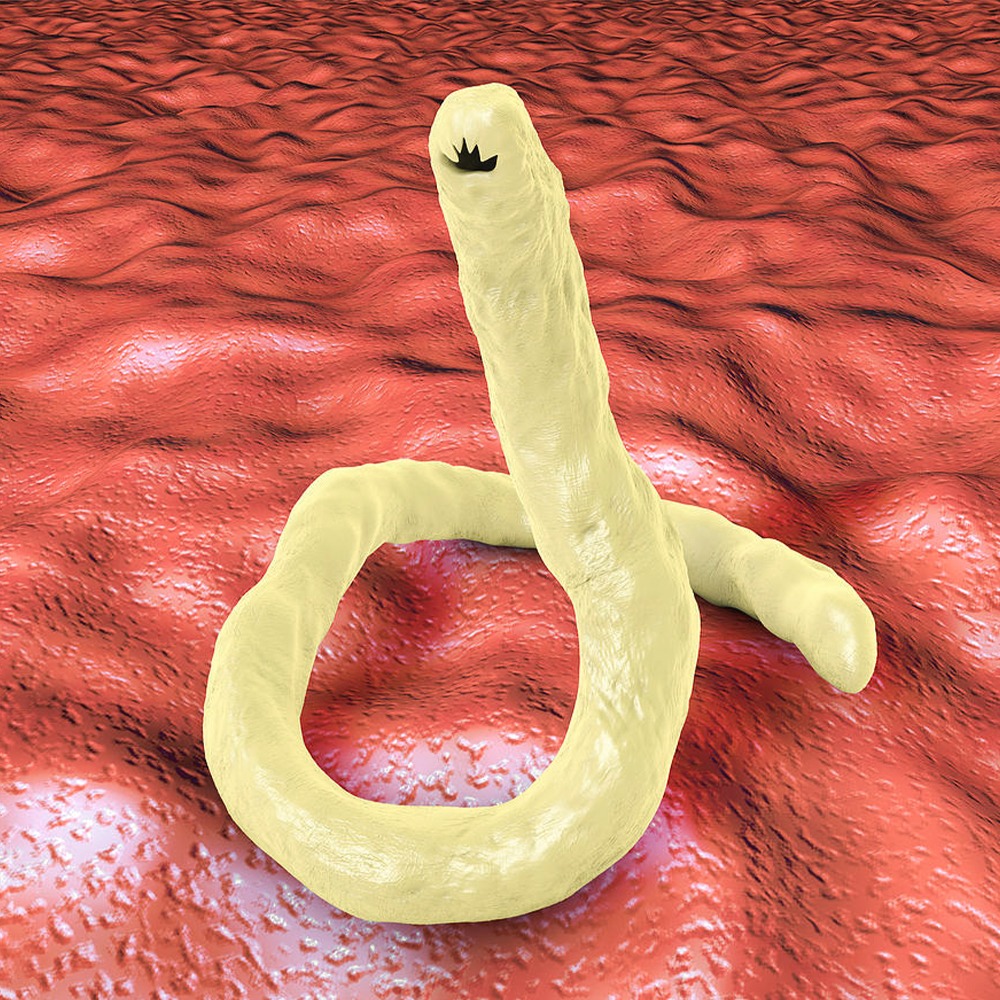
Less common but more dangerous, hookworms attach to the intestinal wall and feed on blood. They’re a serious concern, particularly for kittens.
Possible symptoms:
- Pale gums
- Lethargy
- Dark or tarry stool
- Anaemia
Tapeworms
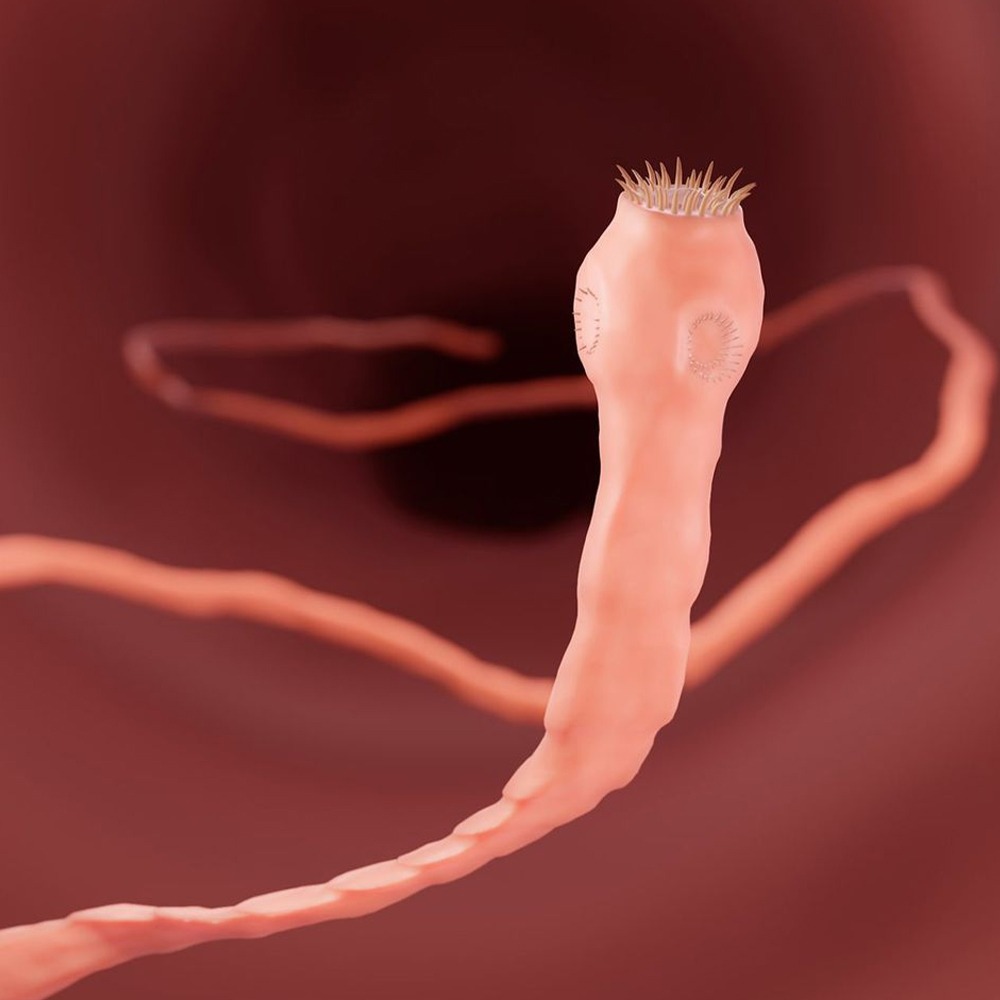
Tapeworms are typically transmitted through the bites of fleas or rodents. If your cat has ever had fleas or hunted an infected mouse or rat, there’s a chance tapeworms followed.
Signs to watch for:
- Rice-like segments around the anus, fur or bedding
- Scooting or excessive licking at the rear end
- Increased appetite without weight gain
Whipworms

Though less common in cats, whipworms can still cause digestive upset and inflammation in the large intestine.
Watch for:
- Bloody-mucousy diarrhoea
- Pale gums from significant blood loss
Other worms
In addition to intestinal worms, cats can be infected with a variety of other worms in other parts of the body, although these worms aren’t present in all regions of the world. These include:
- Heartworms: The deadly worms that occupy the lungs, heart and blood vessels. Heartworm disease in cats is a severe, often fatal condition that is best managed through strict monthly prevention.
- Lungworms: They can be found in respiratory airways or lungs, causing difficulty breathing and are often contracted from eating infected prey. While often treatable, severe cases can lead to respiratory failure.
- Eyeworms: Cats are most frequently exposed to this worm through an infected fly that feeds on their eye secretions, causing severe eye damage like ulcers or blindness if left untreated.
In kittens and senior cats, untreated worms can quickly become dangerous. Even healthy adult cats may suffer silently until symptoms become impossible to ignore.
How Vets Diagnose Worms in Cats
Vets usually recommend a faecal examination using a stool sample to identify worm eggs under a microscope. They may also ask for blood work to check for anaemia caused by hookworms.
5 Best Cat Worm Treatments
Effective cat worm treatment depends on your cat’s weight, lifestyle, and the types of worms in cats you’re targeting. Broad-spectrum dewormers are often recommended because cats can carry more than one type of worm at the same time.
Here are some widely used and trusted cat deworming treatments, including both oral and topical options:
1. Milbemax Allwormer Tablets
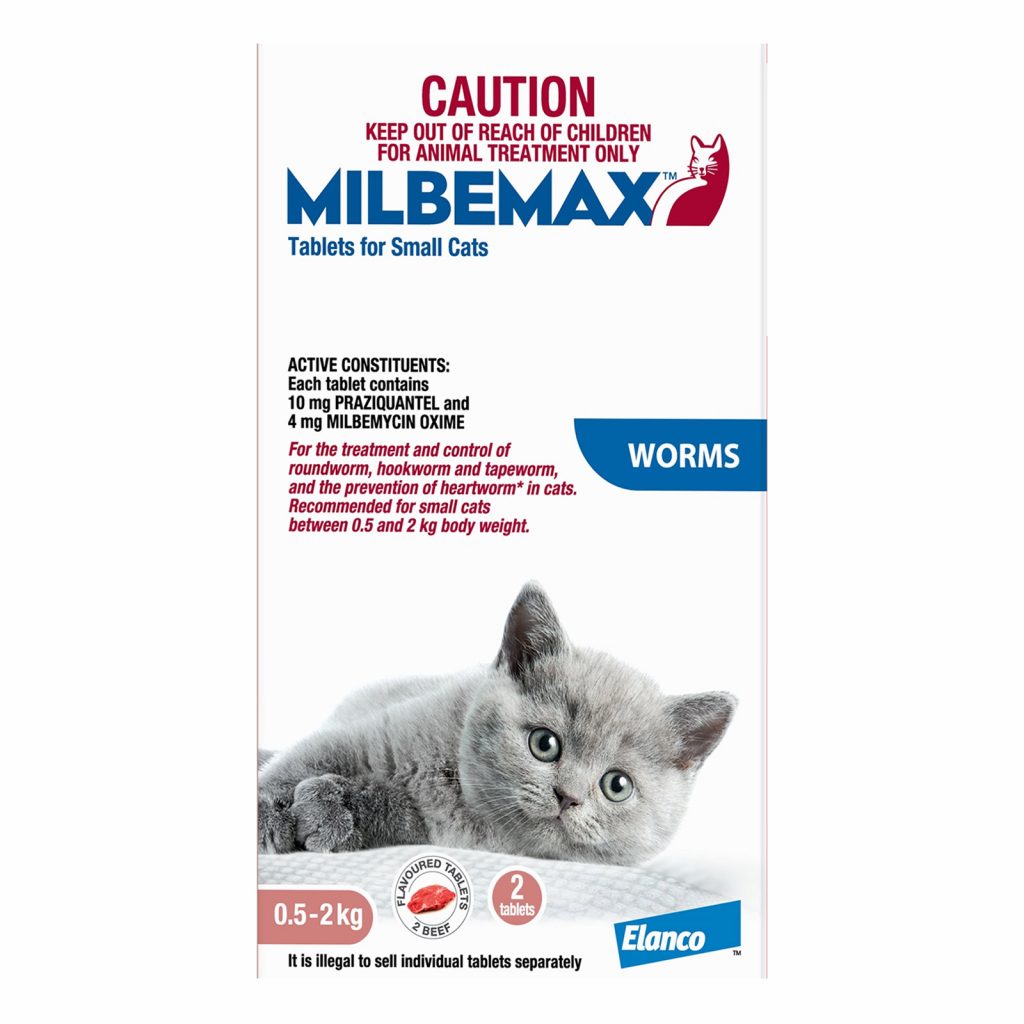
A popular choice for treating multiple intestinal worms in cats, including roundworms, hookworms, and tapeworms. It also prevents heartworm disease and is often recommended for routine deworming schedules.
2. Drontal Wormers
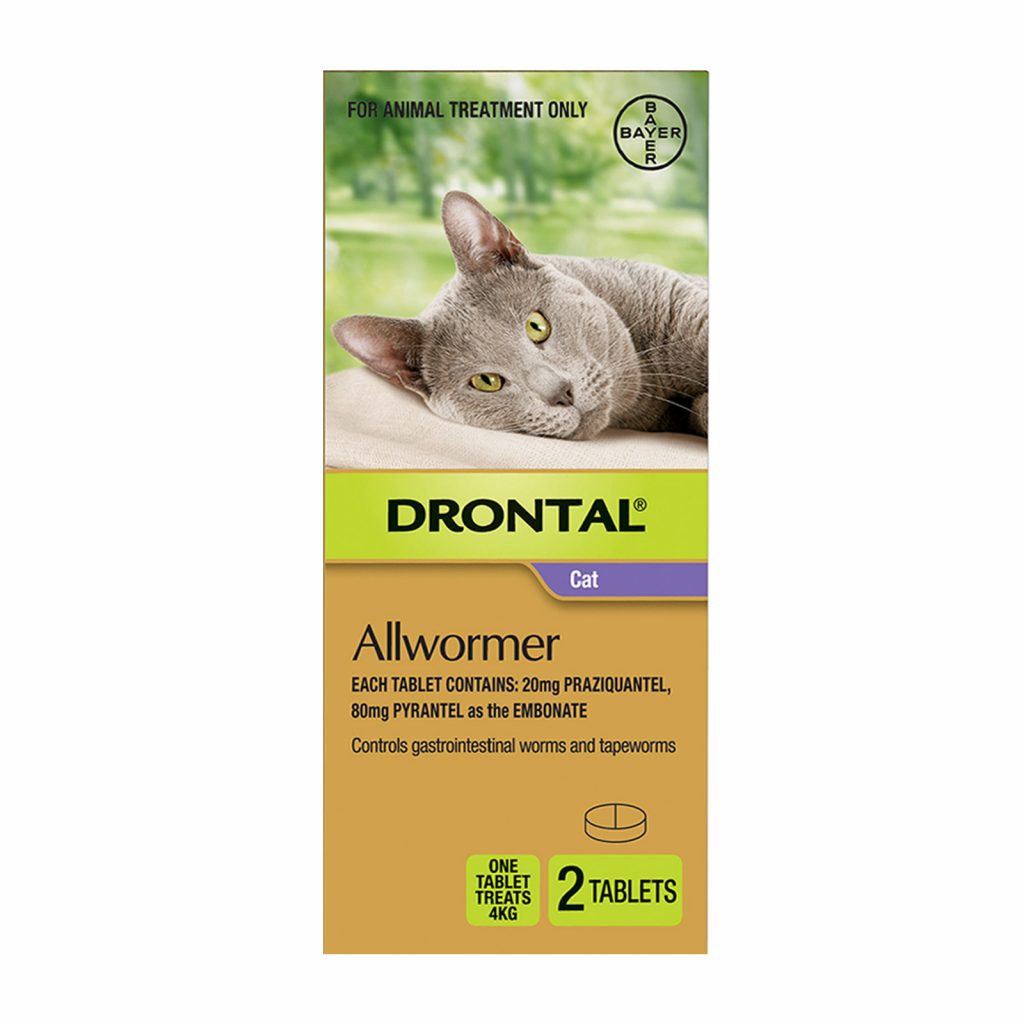
Drontal is known for its broad coverage and ease of dosing, making it a go-to option for many vets and multi-cat households. It protects cats against roundworms, hookworms and tapeworms.
3. Virbac Tapewormer for Cats
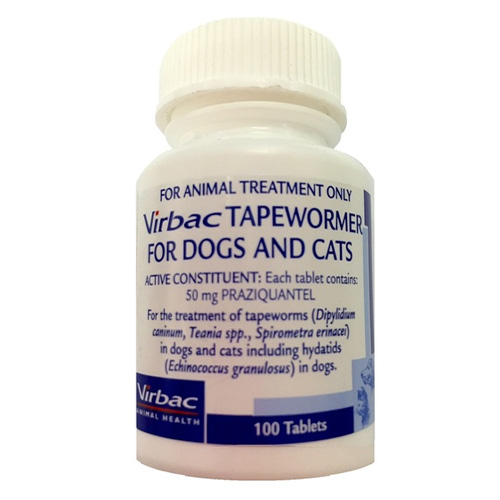
Specifically formulated to target tapeworm infections, making it useful when fleas or hunting behaviour are involved.
4. Aristopet Allwormer
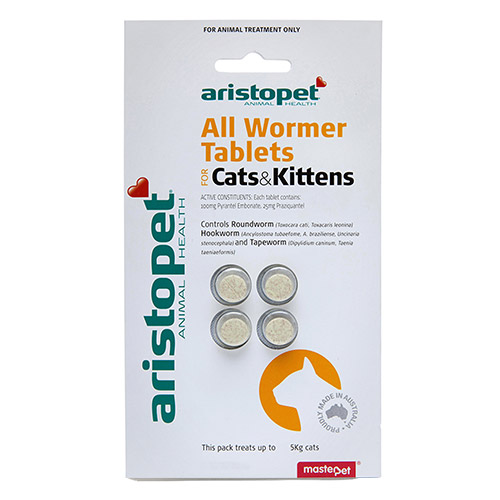
A reliable option for regular deworming, especially for cats and kittens with ongoing exposure risks. The treatment is effective against roundworms, hookworms and tapeworms.
5. Nugard Spot-On
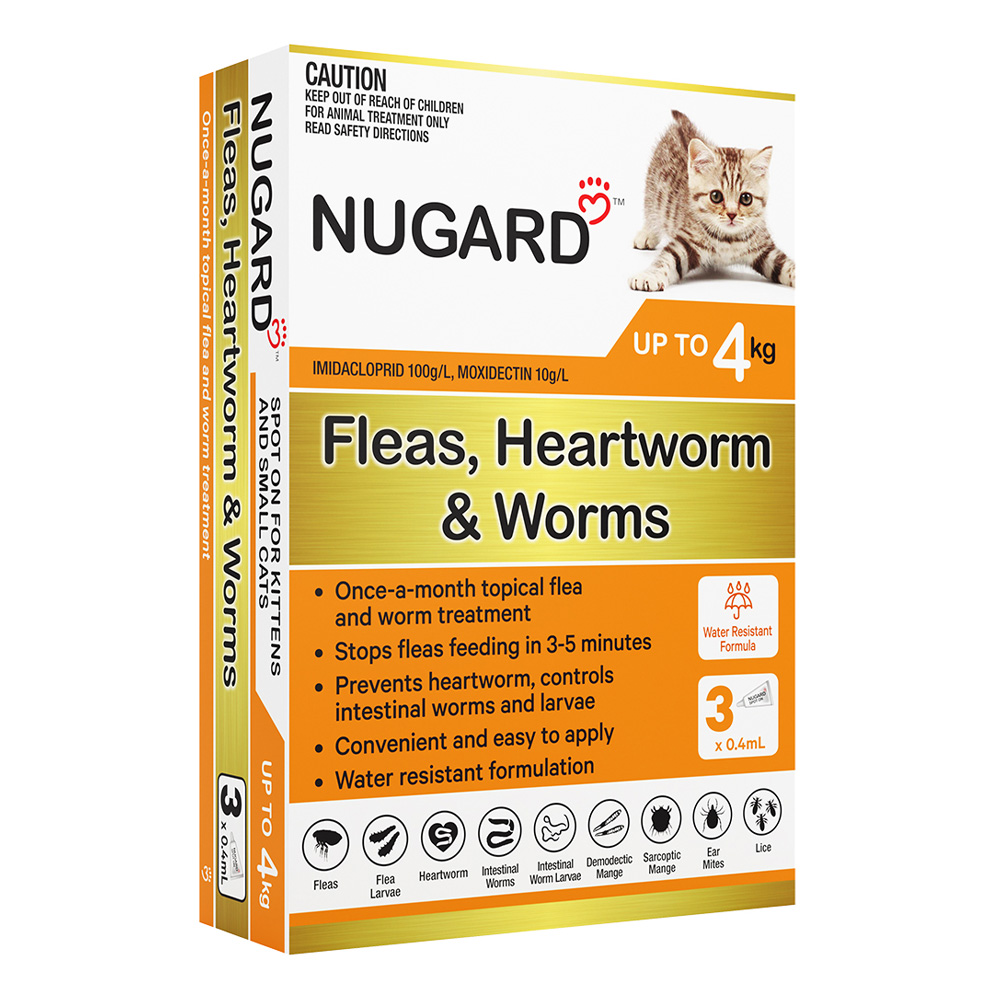
Ideal for cats that refuse tablets. This topical solution protects against roundworms, hookworms, whipworms and lungworms. It also helps prevent heartworm disease.
Important note: Always follow dosing instructions carefully and consult your vet if you’re unsure which product suits your cat’s health condition.
Ways to Prevent Worms in Cats
Prevention is always easier than treatment. Simple steps can dramatically reduce the risk of worms in cats:
- Maintain regular flea control.
- Wash bedding regularly.
- Clean litter trays daily.
- Wash your hands after handling litter or soil.
- Avoid feeding raw meat without vet guidance.
- Keep hunting behaviour in check where possible.
- Administer deworming treatment, flea and heartworm preventives regularly.
- Schedule regular veterinary check-ups.
Final Thoughts
Worms are an unpleasant reality of cat parenting, but they don’t have to be a constant worry. Understanding the common worms in cats, recognising early signs, and choosing the right cat worm treatments allows you to protect your cat’s health without stress. A healthy gut means a happier, more comfortable cat, and that’s something every pet parent wants. If you’re ever unsure about symptoms or treatment options, consulting your vet is always the best course of action.