
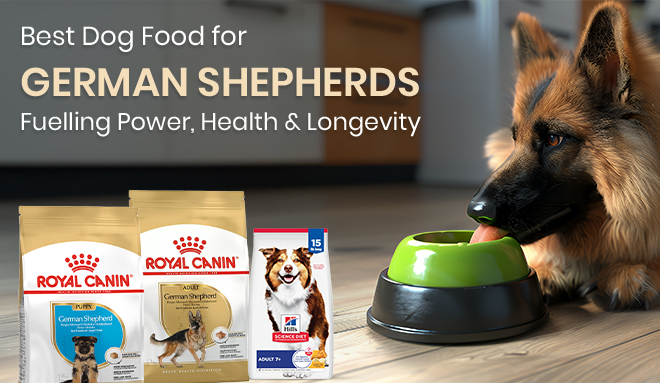
German Shepherds are all-rounders: loyal protectors, agile athletes, fiercely affectionate family companions – all in one majestic package. However, their large size, boundless energy, and genetic predispositions make them susceptible to various health issues, which demand proper care, especially in terms of their diet. The right dog food supports lean muscle, strong joints and a shiny coat while preventing common health problems.
Continue reading to explore the best food options for German Shepherds with a proper feeding guide based on vet recommendations and the AAFCO (Association of American Feed Control Officials) standards. However, before proceeding, let’s first examine the breed characteristics and their specific dietary needs.
German Shepherd – Breed Overview
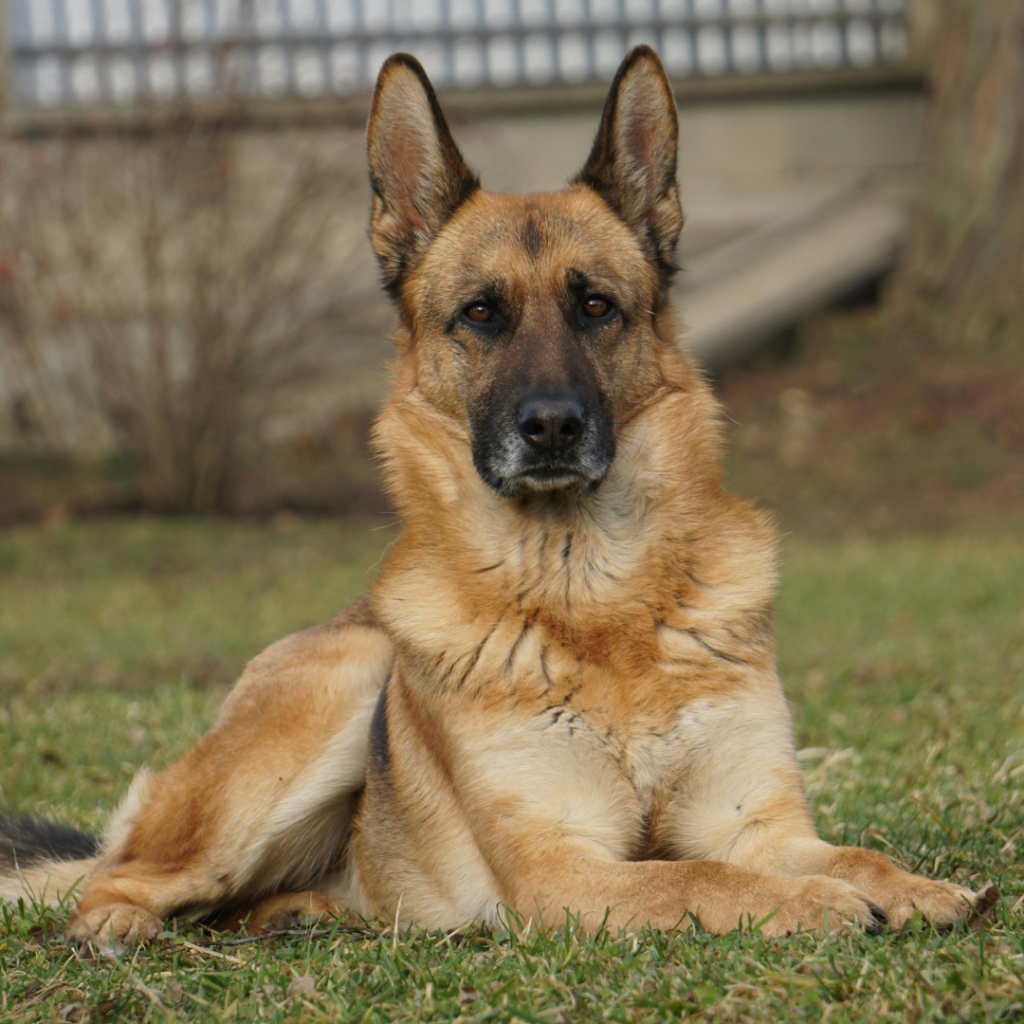
- Size – Large dog breed
- Height – Male: 60 to 65 cm; Female: 55 to 60 cm
- Weight – Male: 30 to 40 kg; Female: 22 to 32 kg
- Life span – 9 to 13 years
- Appearance – Typically black and tan, sable, black, or bi-coloured
- Temperament – Energetic, athletic, loyal and intelligent
Why German Shepherds Need Specialised Nutrition?
German Shepherds are large dog breeds that require a well-balanced and nutritious diet that caters to their different life stages and activity levels. For instance, puppies need controlled calorie intake to prevent skeletal issues, while adults need approximately 1,300-2,000 daily calories depending on their activity.
German Shepherds have distinct nutritional needs to support their high energy, digestive health and coat condition, which set them apart from other large breeds. So, before choosing food for them, keep the following pillars in mind:
Joint & Bone Support
German Shepherds are prone to arthritis, hip and elbow dysplasia and other joint-related issues. Hence, feed them foods that contain glucosamine, chondroitin and green-lipped mussel (a powerful natural anti-inflammatory) to maintain healthy bones and joints, even during their senior years.
Digestion & Bloat Prevention
German Shepherds are known for their sensitive digestive system, with a high risk of bloating and digestive problems. Therefore, include foods that contain prebiotics and probiotics in their diet to promote gut health and avoid foods with high amounts of fillers like soy or corn, which can lead to bloating and gas.
Skin and Coat Maintenance
German Shepherds have a double coat that requires proper diet and care to maintain its shine. Add Omega-3 and Omega-6 fatty acids (from fish oil and flaxseed) to prevent itching and maintain a lustrous coat.
German Shepherd – Feeding Guide by Life Stages
One of the most common mistakes made by pet parents is feeding their German Shepherd the same food throughout their life.
Here is a detailed feeding guide according to their life stages:
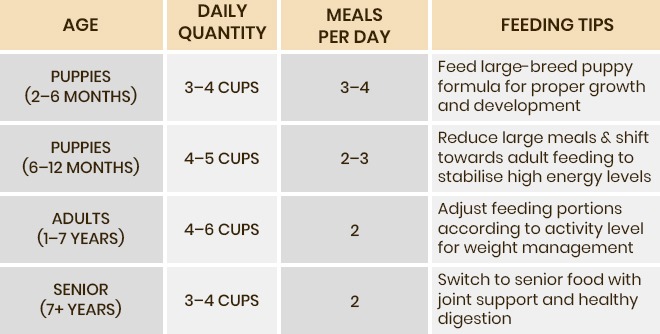
- Puppies (2-6 months): Puppies should be fed large-breed puppy formulas in 3-4 meals per day to support better growth. These formulas have a controlled calcium-to-phosphorus ratio to ensure that puppies don’t grow too fast, as this can cause permanent skeletal damage.
- Puppies (6-12 months): For puppies from 6 to 12 months, reduce large meals to 2-3 meals per day and shift towards adult feeding gradually to maintain energy levels, manage metabolism and promote adult feeding habits.
Best Puppy Foods
Royal Canin German Shepherd Puppy Dry Dog Food
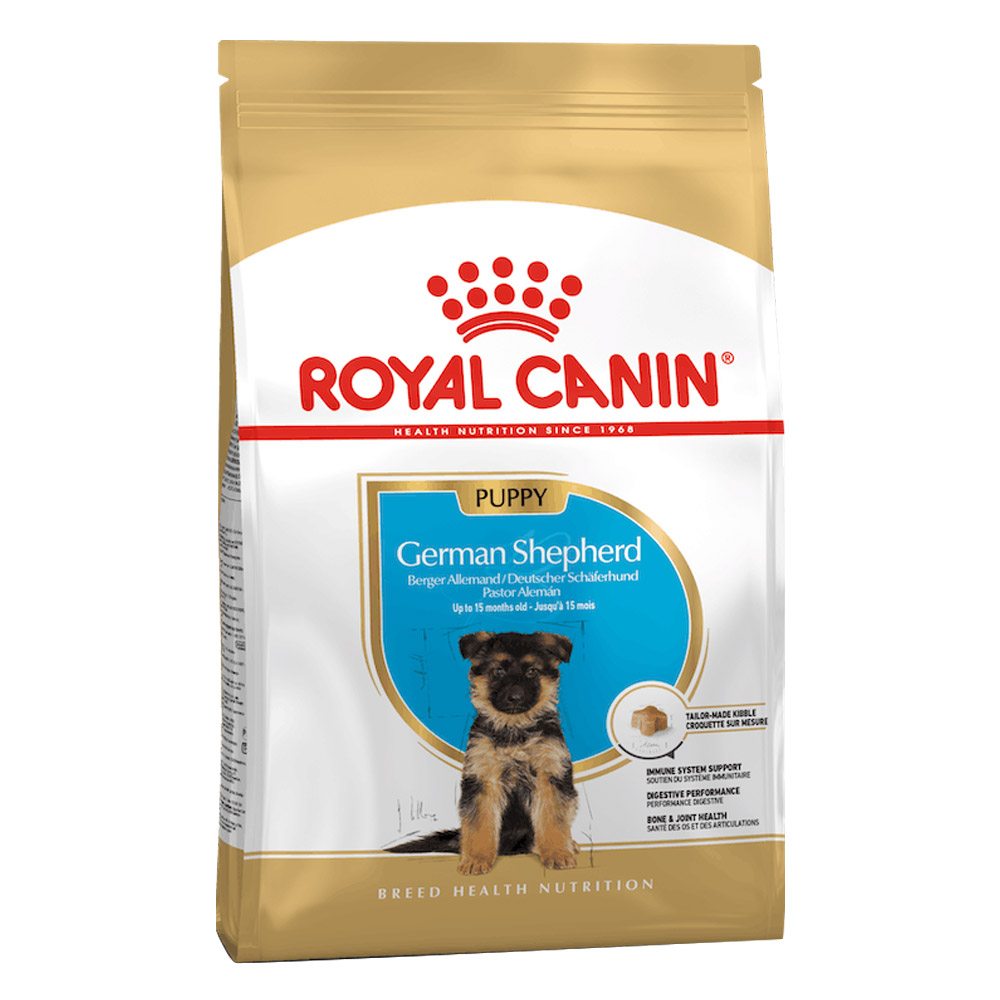
One of the best dog foods designed to meet the nutritional requirements of puppies up to 15 months of age. Packed with antioxidants, including vitamin E, it strengthens the immune system and natural defence of growing puppies to keep. Additionally, the specialised kibble shape and texture encourage proper chewing.
- Adults (1-7 years): Adult dogs require controlled portion feeding, i.e., 2 meals per day for weight management, skin and coat maintenance, and arthritis prevention.
Best Adult Dog Foods
Royal Canin German Shepherd Adult Dry Dog Food
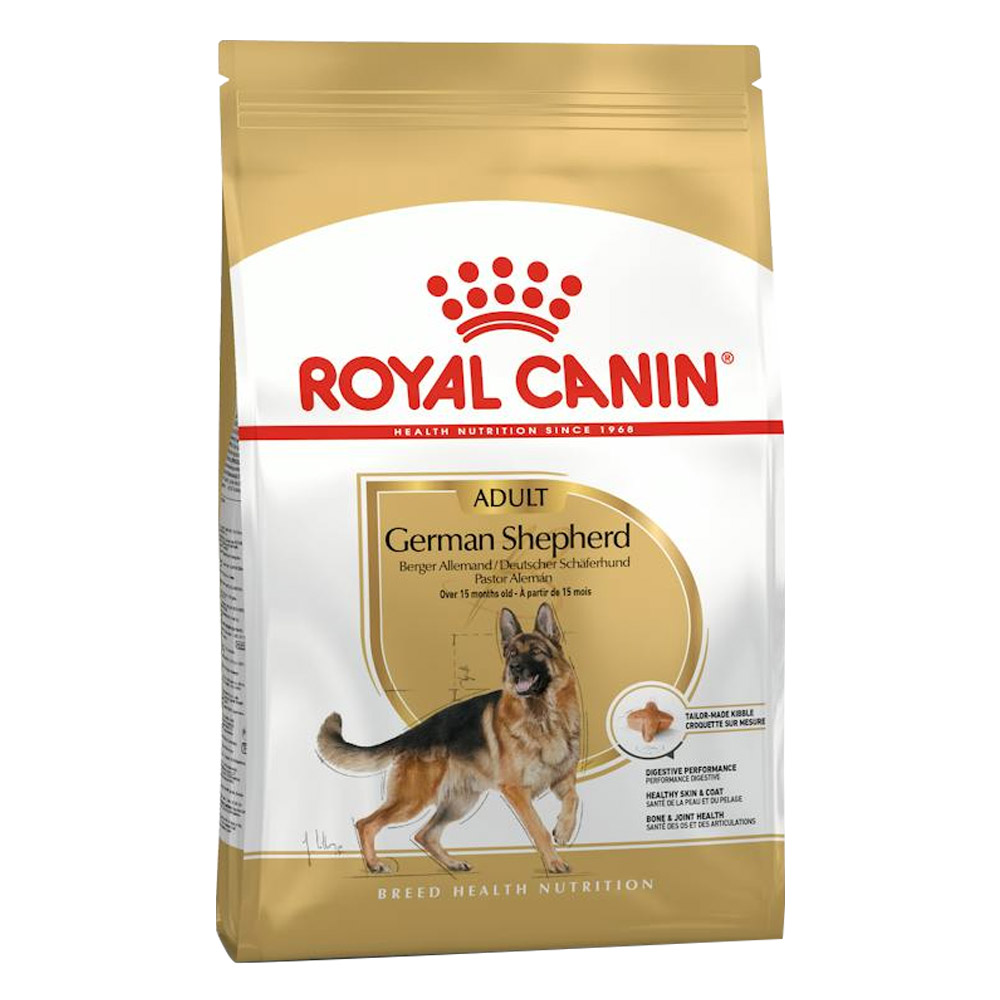
Royal Canin Adult Dry Dog Food is an advanced diet that contains highly digestible proteins and fibre, promoting a healthy gut and maintaining digestive health. Enriched with Omega-3 fatty acids, it nourishes skin and coat health, promotes healthy joints and maintains a healthy weight.
- Seniors (7+ years): Senior dogs are susceptible to various health issues, including obesity, joint-related issues and digestive problems. Hence, transitioning to a senior formula with lower calories and higher bioavailable protein helps enhance muscle strength and joint health.
Best Senior Dog Foods
Hill’s Science Diet Adult 7+ Senior Dry Dog Food
Hill’s Science Diet Adult 7+ Senior Dry Dog Food is a complete and balanced formula specifically formulated to keep ageing dogs fit and healthy. Packed with glucosamine, chondroitin sulfate and antioxidants, it helps promote digestive health, maintain bone and joint health, boost the immune system and support healthy muscles.
Key priorities:
- Incorporate high-quality protein (28-32%) like chicken, fish, or lamb for muscle strength and development.
- Add glucosamine, chondroitin, and omega-3s to support brain, skin and coat health and combat hip dysplasia and joint issues.
- Feed probiotics and fibre to prevent bloating and promote smooth digestion.
- Include balanced fats (12-18%) to maintain energy without putting on extra weight.
- Provide access to clean and fresh drinking water to keep them hydrated.
- Avoid excessive fillers or low-quality by-products
- Avoid overfeeding as it may lead to obesity or joint-related issues. Always use a measuring cup for proper measurement.
- Combine diet with exercise to maximise benefits and boost vitality.
Wrapping Up
Maintaining the longevity and vitality of German Shepherds largely depends on their diet and feeding portions. Adequate nutrition not only maintains their extraordinary energy but also supports their joint health, enhances skin and coat health, promotes healthy digestion, boosts cognitive function and aids in weight management. To ensure your furry companion stays happy and healthy, choose the right food according to their age and activity levels. Don’t forget to consult your vet for tailored recommendations.